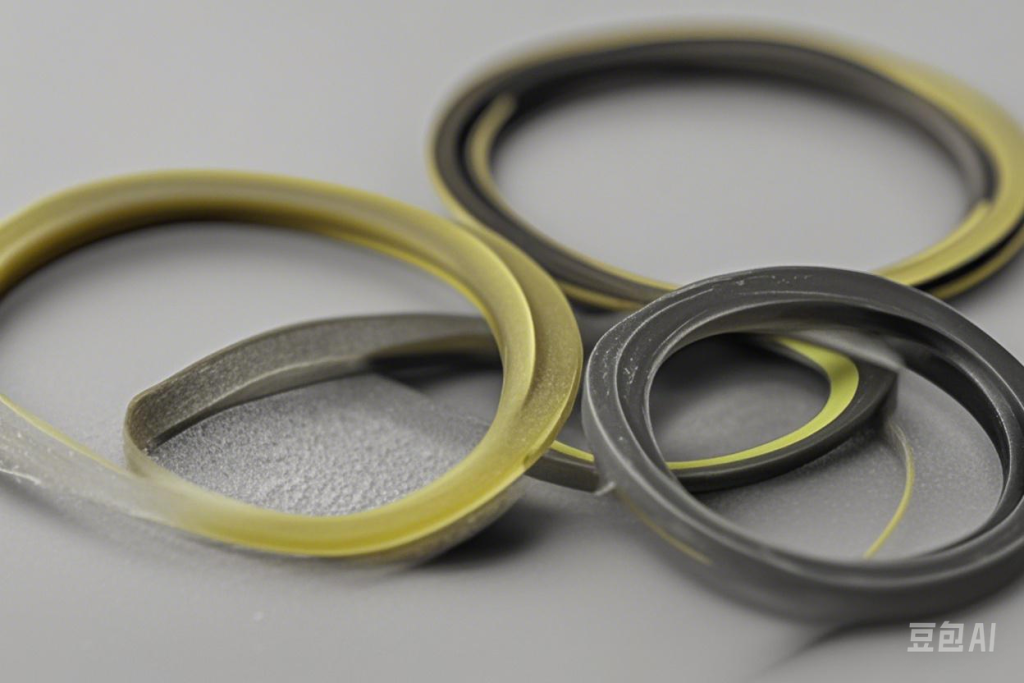
Beginning this study provides knowledge on siloxane polymer in conjunction with current-carrying silver enhanced rubber interfaces aimed at electromagnetic interference protection.
Siloxane elastomer compounds are broadly utilized aimed at adaptable functions on account of their superior sturdiness and elemental resilience. However, their basic scarcity of electron flow restricts the functionality in specific engineering uses.
The inclusion of metallic nanometric components, especially silver incorporated inside the PDMS, establishes a harmonious effect facilitating a charge-transferring network facilitating strong electromagnetic shielding.
The given solutions grant components to reduce undesirable electrical interference.
Safeguarding Micro Modules: A Task of Silicone and Charge-transporting Seals
Robust sealing of electrical parts is vital in rigorous environments. Elastomers, with the superior malleability and environmental stability, grants noteworthy fluid block strengths. Despite in scenarios needing electronically active operation, electrically components, often engineered from current conducting materials, remain imperative to curb EMI disturbance and secure robust usage. This merge of Silicone plus electronically active barriers makes a comprehensive solution in attaining sturdy capacity in progressive appliances.
EMI Shielding Seals: Boosting Effectiveness via Charge carrying Silver composite Elastomer in conjunction with silicone base
{
Consistent electronic electrical noise shielding components represent fundamental for covering sensitive hardware tools and installations from unwanted broadcast channelled noise. Advanced designs often use a mixture of conductive Silicone Elastomer and Silicone polymer to attain optimal functionality. Conductive SR provides excellent electrical electrical flow, facilitating a robust conductive route for absorbing disruptive signals. Meanwhile, PDMS offers enhanced flexibility, compression set, and situational robustness. Detailed material approval and layering techniques, such as a svelte layer of SR within a PDMS matrix, elevate both shielding capability and durable reliability.
- Weigh alternative material mixtures relying on situation criteria
- Maintain fitting encasing force for dependable contact
- Assess seals systematically to support functionality
The synergistic strategy effects in EMI barriers that offer unrivaled protection and lifespan.
PDMS Current-carrying SR Membranes: Maintaining Electronics from Pollution
Pertaining to delicate circuit devices, signal disturbance is likely to become undesirable effects, resulting towards malfunctions along with data distortion. Silicone elastomer electron-conducting silver-infused rubber closures provide effective reliable strategy implementing delivering advanced effective defense in the face of those intrusions. These membranes, habitually fabricated containing silicone compound filled with electronically active components, generate the low-resistance line to neutral, eliminating EMI plus RF signal band static power. Such bendable arrangement ensures the reliable protection specifically about irregular interfaces, forming such components advantageous meant for applications within clinical machinery, signal transmission installations, combined with numerous industrial settings. Employing an Silicone elastomer electroconductive silver-loaded elastomer interface acts as effective preemptive method designed to protect assembly soundness with maintain running durability.
Maximizing Electrical Device Sealing with Silicone Elastomer-Based Electromagnetic Interference Shielding
Powerful system module shielding presents a key obstacle in today's development due to growing radio frequency pollution. PDMS provides a unique process when connected with electroconductive particles to create resilient EMI protection coatings. This technique not only upgrades tool operation but also minimizes potential danger of malfunction deriving from outside RFI threats.
Electron Flow-Based SR Augmentation in PDMS Gaskets for Optimized EMI Blocking
Novel membranes fabricated from polydimethylsiloxane (PDMS), incorporating electroconductive fillers, present significantly improved shielding power against electromagnetic interference (EMI). The addition of fillers like graphene-derived nanotubes or nickel powder provides a track for electricity transmission, thereby creating a more durable electromagnetic barrier. This electroconductive boost in gasket workability is critical for vulnerable electronic parts requiring excellent EMI reduction in various areas. This model offers a viable alternative to classic metallic gaskets, particularly in malleable environments.
Deciding on the Right EMI Reduction Gasket: PDMS vs. Conductive SR Options
Opting for appropriate electromagnetic mitigation washers entails careful examination of assorted elements. Generally, conductive Silicone Rubber (Silicone-rubber) has functioned as a frequent preference; however, Polysiloxane Siloxanes (Silicone polymer) manifests as a feasible option, principally where compaction depths are narrowed or medium compatibility is vital. Silicone polymer furnishes remarkable pliability and is able to adjust to compact tolerances, whereas retaining remarkable defense activity.
Advanced Protection Approaches: Polydimethylsiloxane, Electron flow enabling Silver-based rubber, and Computing devices Shielding
Advanced covering techniques are critically fundamental for is silicone heat resistant conserving high-precision hardware parts. polymer silicone, with its prime supple nature and environmental strength, affords notable situational screens. On top of that, electric flow enabling siloxane elastomer helps ESD diffusion, mitigating static harm occurrences. These {advanced|sophisticated|next-generation|leading-edge|state-of-the-art|high-tech|innov
Comments on “Can transparent conductive film maintain clarity in high‑humidity climates?”